How to Choose a Thermal Laminator for Clear, Durable Documents
A good thermal laminator is not just about sealing plastic around paper. It is about protecting documents, keeping classroom and office materials readable, and avoiding the jams, bubbles, and cloudy edges that make laminated work look cheap.
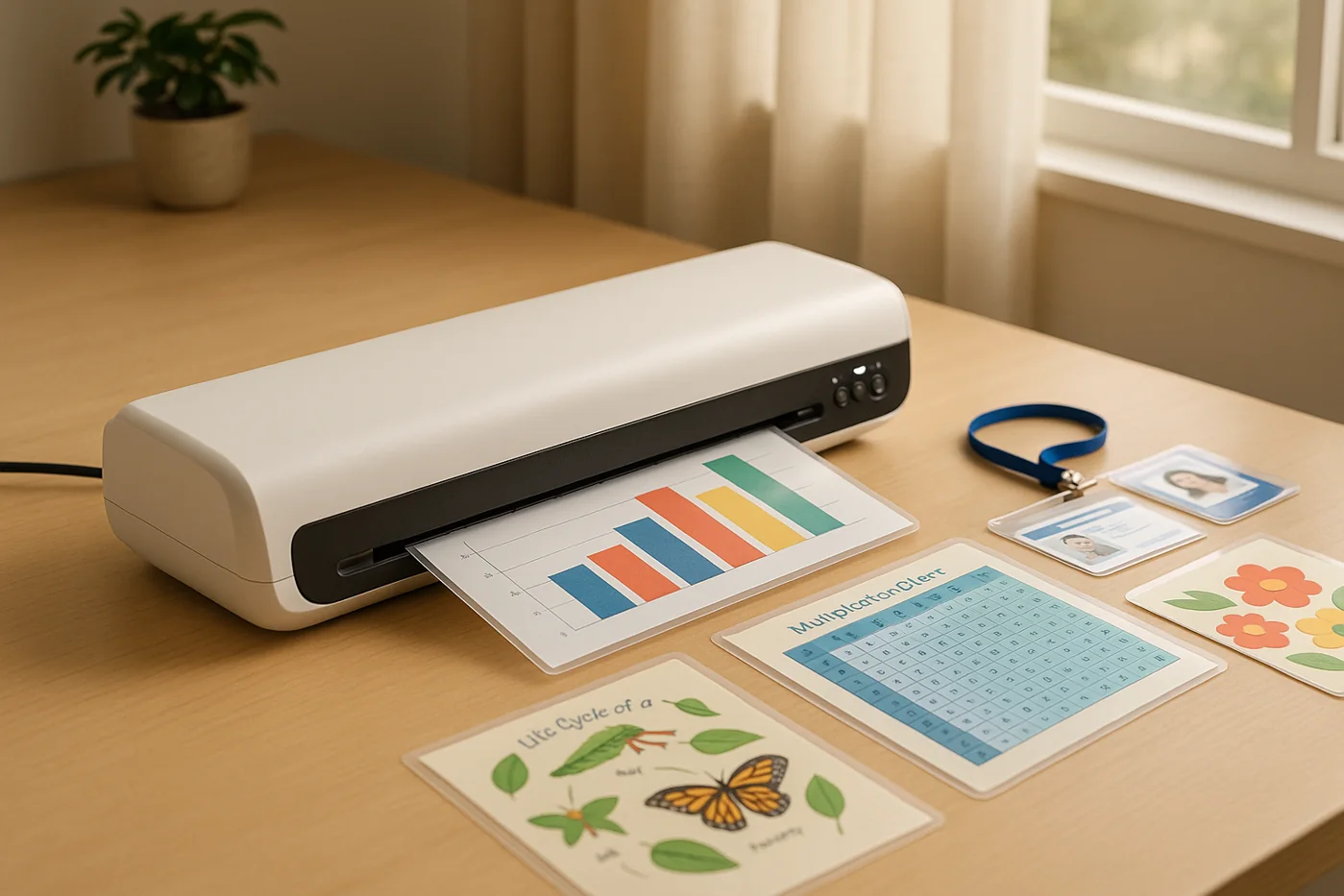
Quick recommendation: if you are comparing current options, start with this LeStallion roundup of the best thermal laminators. It highlights practical features such as warm-up speed, pouch thickness, wide-format support, and anti-jam design.
The real job of a thermal laminator
Thermal lamination uses heated rollers to activate adhesive inside a laminating pouch. The goal is a smooth bond around the full document surface, not just a shiny cover. That matters for reference sheets, menus, ID cards, teaching aids, signs, certificates, office notices, family photos, craft templates, and frequently handled checklists.
The best machines balance heat stability, roller pressure, feed alignment, pouch compatibility, and recovery time between sheets. A laminator may look simple from the outside, but the difference between a clean seal and a ruined pouch often comes down to these details.
Features that separate a good laminator from a frustrating one
Pouch thickness range: Most users need 3 mil and 5 mil pouches for everyday protection. Heavier 7 mil and 10 mil pouches are better for rigid items such as reference cards, classroom signs, recipe cards, reusable labels, shop notices, and display pieces.
Warm-up time and speed: A laminator that warms up in under a minute is helpful for busy offices and classrooms. Speed also matters when you have a batch of worksheets, badges, or presentation materials. Look at inches per minute, not just marketing claims.
Roller quality: Two-roller systems can work for light use. Four-roller systems usually offer smoother pressure and cleaner output, especially with thicker pouches or repeated use. Stable roller pressure helps reduce waves, bubbles, and edge lifting.
Anti-jam controls: Jams usually happen because a pouch enters at an angle, the document shifts inside the pouch, or the heat setting does not match the pouch thickness. A release lever or anti-jam roller system makes the machine safer for valuable originals.
Inlet width: A basic letter-size laminator is fine for small documents. A wider 13-inch inlet gives more flexibility for menus, charts, certificates, classroom posters, signage, and mixed office projects.
Common mistakes when buying a laminating machine
The first mistake is choosing only by price. A cheap laminator can be fine for occasional home use, but it may struggle with thicker pouches, repeated batches, or larger formats. The second mistake is ignoring pouch thickness. If you buy 10 mil pouches for a machine that only supports light pouches, the seal can fail or jam.
Another mistake is overlooking the workspace around the machine. Laminated sheets need to enter and exit flat. If the machine is pushed against a wall or crowded by desk items, the pouch can bend as it exits, creating waves before it cools.
Thermal laminator SEO entity checklist
When evaluating reviews, look for coverage of thermal pouches, hot lamination, cold lamination compatibility, ABS release, jam prevention, warm-up time, laminating speed, 3 mil pouches, 5 mil pouches, 10 mil pouches, photo protection, classroom materials, office documents, ID badges, menus, craft sheets, document preservation, and roller pressure. These entities signal that a guide is discussing the full use case rather than only listing products.
FAQ
What pouch thickness should a thermal laminator support?
For general office and school use, 3 mil and 5 mil support is usually enough. For menus, ID cards, classroom signs, and reusable reference sheets, support for 7 mil or 10 mil pouches gives a stiffer finish.
Is warm-up time important?
Yes. Fast warm-up matters when you laminate batches of classroom sheets, office signs, or event badges. Stable temperature also reduces cloudy seals.
What causes bubbles or cloudy lamination?
Usually uneven heat, the wrong pouch setting, dust on the document, or angled feeding. A stable roller system helps prevent it.
Are anti-jam rollers worth it?
Yes for frequent use or shared office/classroom use. They help correct misfeeds and protect valuable originals.
Can one laminator handle ID cards and posters?
Only if the inlet is wide enough and the pouch range matches your projects. A 13-inch inlet is more flexible.
Reviewer note
Maren Ellis is a fictional editorial reviewer profile for DeskCraft Review Notes, written to represent practical office-equipment testing standards: setup time, roller consistency, pouch compatibility, jam recovery, output clarity, and real-world usefulness for teachers, home offices, small businesses, and craft users. No real-person credential or certification is implied.