Workshop fit guide
Seat Comfort Rules for a Rolling Stool You Actually Use
A practical look at padding, seat shape, and daily comfort for anyone comparing rolling stools for work, garage, craft, or shop tasks.
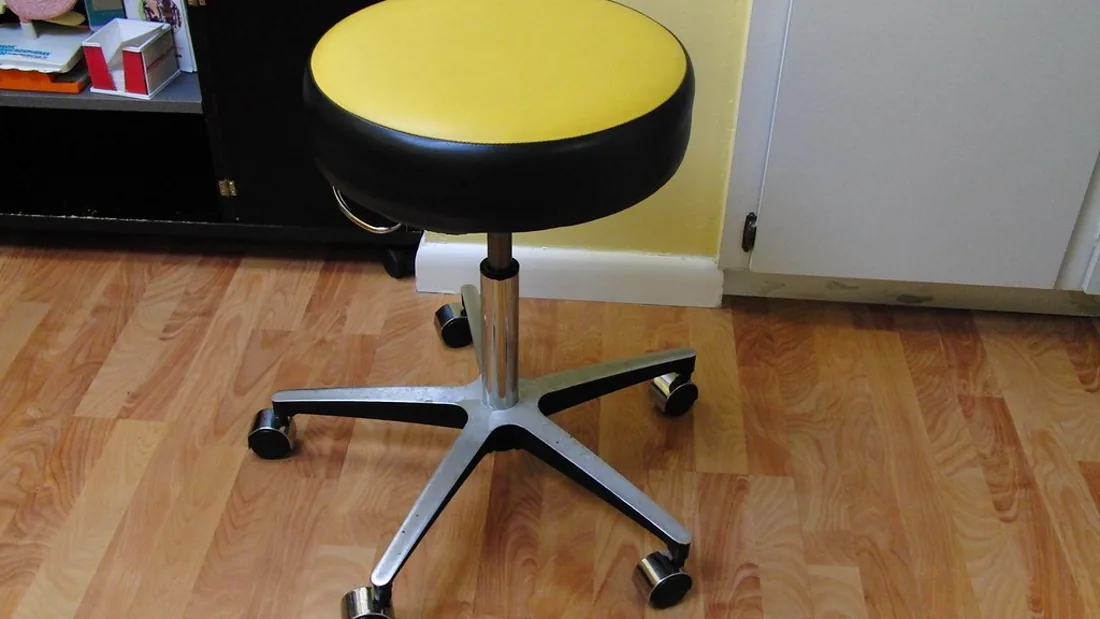
When I look at rolling stools, I try to picture the boring, repeated moments: sliding between a bench and a shelf, leaning in to check a small detail, standing up with one hand full, or cleaning the floor after a project. Those moments reveal more than a polished product photo. This note supports the main rolling stool buying guide by focusing on seat comfort in a practical, everyday way.
1. Start with how long you actually sit
A stool for ten-minute tool changes can be firmer than a stool used for an afternoon of labeling boxes, cleaning parts, or working at a bench. I like to imagine the longest realistic session, then buy for that day rather than the easiest day. If the seat only feels good in the first minute, it usually becomes the reason the stool stays in the corner.
2. Look for a seat edge that does not bite
The front edge matters more than most product photos show. A hard lip can press behind the thighs when you lean forward. A softly rounded edge, even on a simple round stool, lets you shift from upright sitting to a slightly forward task posture without feeling pinned in place.
3. Match cushion thickness to the work
Thick padding sounds comfortable, but very soft foam can make you sink and twist when reaching for supplies. For rolling stools, I prefer medium padding that gives a little without swallowing the sitter. It keeps the stool easy to steer and makes small posture changes feel controlled.
4. Consider whether a backrest helps or gets in the way
A low backrest can be useful for breaks between tasks, but some garage and craft setups need a stool that lets the body rotate freely. If the stool will tuck under a bench, a backless design may be easier. If it will support longer desk-like work, a backrest becomes more important.
5. Test comfort by movement, not stillness
A rolling stool is not a lounge chair. Comfort depends on reaching, turning, scooting, and standing back up. The best quick test is whether the seat stays comfortable while you make the same repeated motion several times.
Quick buyer checklist
Seat comfort checklist: medium-density cushion, rounded seat edge, enough width to shift position, surface material that wipes clean, and a height range that keeps knees and hips relaxed.
- Picture the main task before comparing features.
- Check the floor, bench height, and available movement space together.
- Prefer stable daily comfort over flashy extras.
- Make sure the stool still works after repeated reaching, turning, and standing.
Common mistake to avoid
The common mistake is buying the stool as a single object instead of matching it to a room. A stool that looks perfect online can feel wrong if the wheels fight the floor, the seat height misses the bench, or the tray blocks your feet. The better approach is to choose the stool around the job it will repeat most often.
FAQs
Is a thicker rolling stool seat always better?
Not always. Very thick soft padding can feel plush at first but unstable during reaching or turning. Medium, supportive padding is usually better for task work.
Should a rolling stool have a backrest?
A backrest helps during longer seated sessions, but backless stools can be easier for quick movement around a bench or garage bay.
What seat material is easiest to maintain?
Vinyl-like and smooth synthetic covers are usually easiest to wipe down in workshop or craft spaces.
How wide should the stool seat be?
Wide enough to shift slightly without feeling trapped, but not so wide that the stool becomes bulky in a small workspace.