Workshop fit guide
Rolling Stool Stability and Floor Safety Checks Most Buyers Skip
A stool should roll easily without feeling slippery, tippy, or rough on the floor. These checks help separate useful designs from frustrating ones.
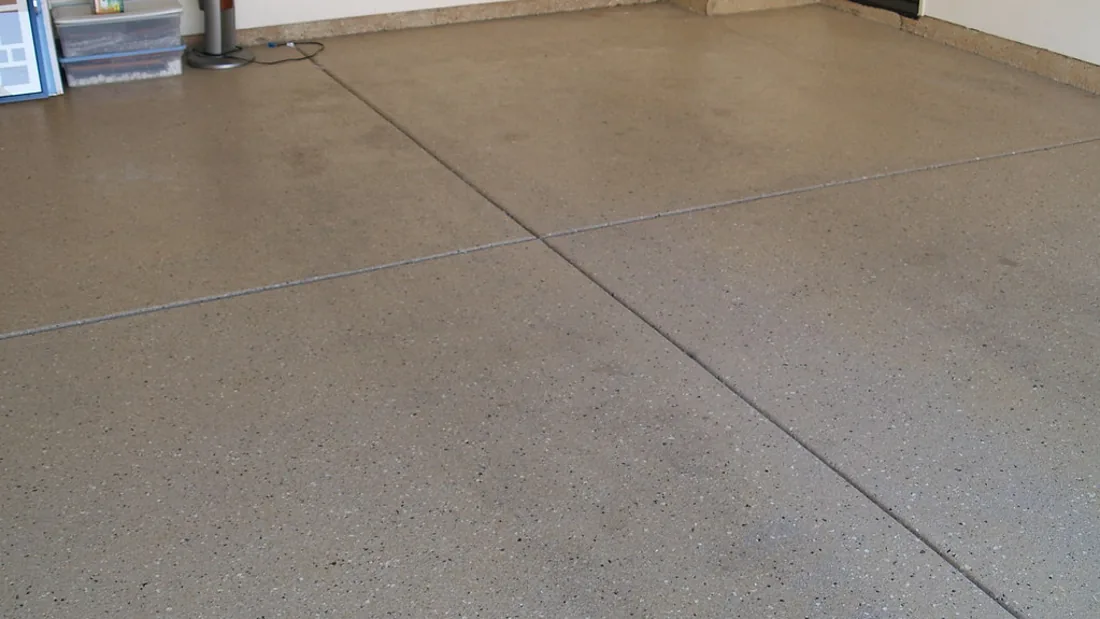
When I look at rolling stools, I try to picture the boring, repeated moments: sliding between a bench and a shelf, leaning in to check a small detail, standing up with one hand full, or cleaning the floor after a project. Those moments reveal more than a polished product photo. This note supports the main rolling stool buying guide by focusing on stability and floor safety in a practical, everyday way.
1. Look at the base width
A wider base often feels more stable, but it also takes up more room. The goal is not the widest possible stool; it is a base that supports the way the user reaches, turns, and stands.
2. Watch how the stool handles side reaches
Many stools feel fine when sitting still but less secure when reaching to the side. If a task involves grabbing tools, parts, files, or supplies, side stability matters as much as seat comfort.
3. Match wheels to flooring
Floor safety starts with the caster material. Hard wheels can scratch or chatter on some surfaces, while softer wheels may feel smoother on sealed concrete, tile, or laminate. For delicate floors, a mat may still be smart.
4. Keep the floor clear
Even good wheels struggle with cords, screws, scraps, thick rug edges, and floor transitions. A rolling stool is safest when the work zone has a predictable path.
5. Check stand-up stability
The moment of standing up is when many people put uneven pressure on the seat. A stable stool should not shoot backward or twist sharply when weight shifts.
Quick buyer checklist
Safety checklist: stable base, floor-friendly wheels, clear rolling path, no loose cords, controlled side reach, and a stool that behaves when standing up.
- Picture the main task before comparing features.
- Check the floor, bench height, and available movement space together.
- Prefer stable daily comfort over flashy extras.
- Make sure the stool still works after repeated reaching, turning, and standing.
Common mistake to avoid
The common mistake is buying the stool as a single object instead of matching it to a room. A stool that looks perfect online can feel wrong if the wheels fight the floor, the seat height misses the bench, or the tray blocks your feet. The better approach is to choose the stool around the job it will repeat most often.
FAQs
Are rolling stools safe on garage floors?
They can be, especially on clean sealed concrete with suitable wheels. Loose debris and uneven surfaces are the bigger concern.
Will rolling stool wheels scratch floors?
Some hard casters can mark delicate floors. Softer wheels or a protective mat can reduce risk.
What makes a stool feel tippy?
A narrow base, high seat position, poor wheel placement, or frequent side reaching can all make a stool feel less stable.
Should I use a mat under a rolling stool?
A mat can help protect flooring and smooth out movement, but it should lie flat and not create a trip edge.